Wiring the Workflow: Payment and Tool Integrations That Define Broker Efficiency in Exchange Settings
Written by Alex Lehmann · Jul 26, 2026
Wiring the Workflow: Payment and Tool Integrations That Define Broker Efficiency in Exchange Settings
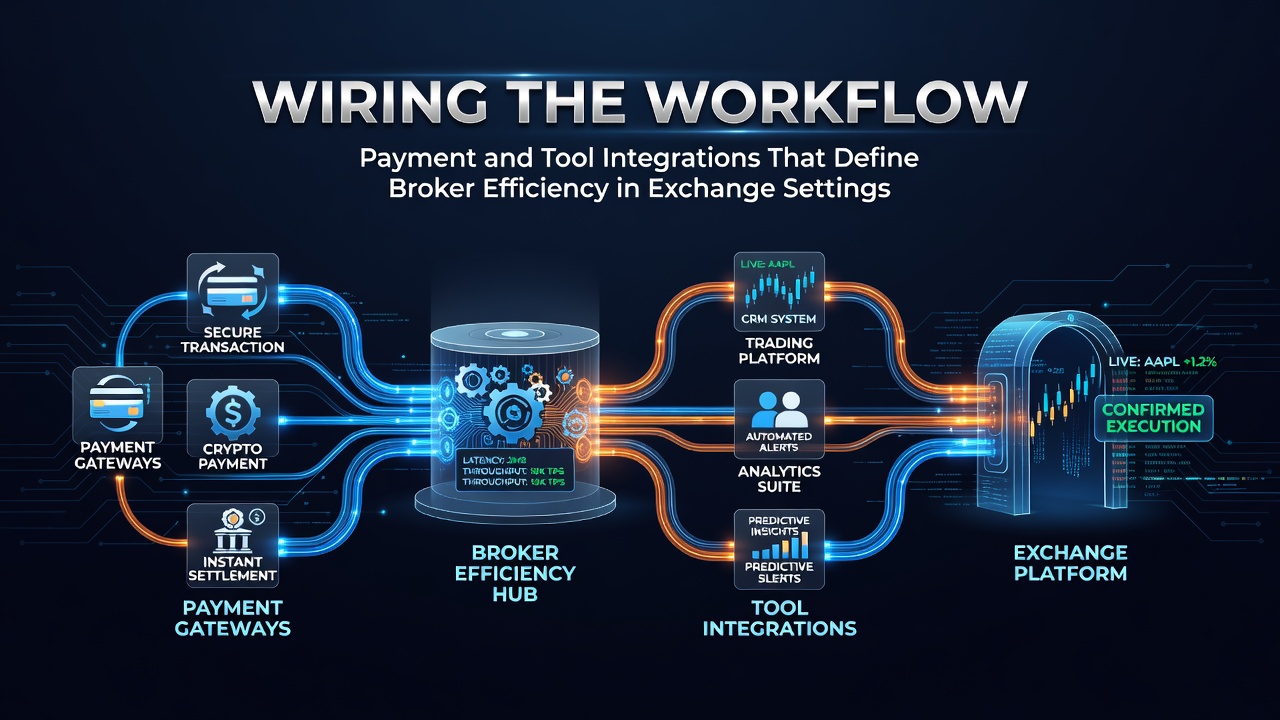
Payment systems and trading tools now form the core infrastructure that determines how brokers operate inside betting exchanges, where every second of latency or mismatched data feed can shift execution outcomes. Observers note that brokers who align real-time payment rails with algorithmic order placement gain measurable advantages in settlement speed and position management, especially as exchanges scale volume during major sporting calendars.
Core Payment Rails and Their Technical Footprint
Modern broker platforms route deposits and withdrawals through layered gateways that connect directly to exchange settlement engines, allowing funds to clear in under three seconds when using instant bank transfer protocols or tokenized card schemes. Data from the European Gaming and Betting Association shows that operators adopting open banking standards reduced failed transaction rates by 18 percent in 2025, while maintaining compliance with cross-border verification rules that took effect earlier in the decade. These integrations rely on API handshakes that push transaction metadata straight into risk engines, flagging suspicious patterns before orders hit the order book.
Wallet providers and crypto on-ramps add another dimension, yet they demand separate reconciliation modules so that exchange matching engines treat converted balances as settled cash. Research indicates that brokers who embed these modules inside a single dashboard cut manual reconciliation time by roughly 40 percent compared with legacy batch processes.
Tool Connectivity That Drives Execution Precision
Trading tools achieve peak utility only when they pull live odds, liquidity depth, and account equity from the same data layer that processes payments. Brokers therefore deploy middleware layers that synchronize position sizing algorithms with available margin, preventing overexposure during rapid market swings. Studies conducted by the University of Nevada, Las Vegas International Gaming Institute found that platforms linking execution bots to automated deposit triggers recorded a 12 percent increase in completed trades per session during high-volatility periods.
Dashboard overlays now display both pending withdrawals and open positions side by side, giving traders immediate visibility into cash availability without switching interfaces. This unified view supports faster hedging decisions because margin calls trigger before liquidity dries up in thin markets.
July 2026 Infrastructure Milestones
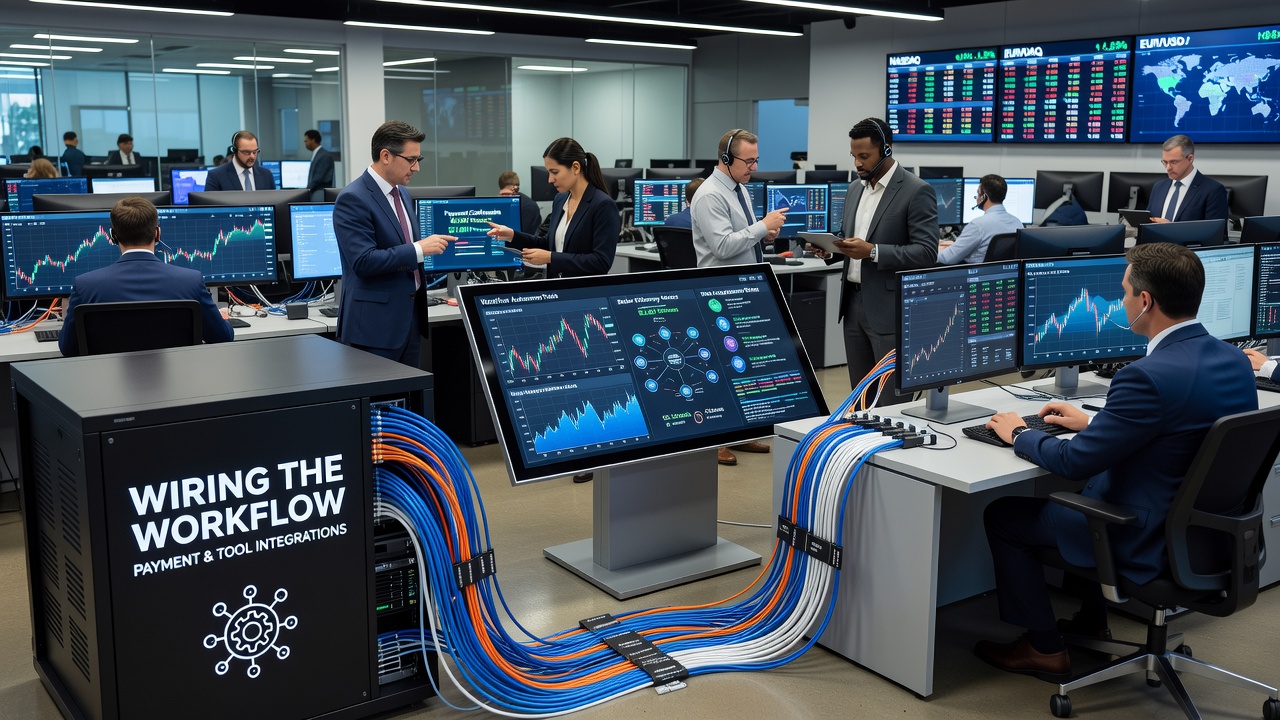
Regulatory updates scheduled for July 2026 require all licensed exchange participants to maintain segregated payment ledgers that feed directly into audit trails, a change that forces brokers to upgrade their reconciliation APIs ahead of the deadline. Those upgrades also enable new conditional withdrawal features where traders can release funds only after specific order conditions resolve, reducing the incidence of mid-trade liquidity shortfalls. Industry reports compiled by the Asia-Pacific Association of Gaming Regulators document similar requirements already in testing across several jurisdictions, with early adopters reporting fewer compliance queries once the systems stabilized.
Security Layers and Data Flow Integrity
End-to-end encryption between payment processors and exchange matching engines protects order integrity while satisfying data residency mandates that vary by region. Brokers that route traffic through regional nodes maintain sub-50-millisecond round trips even when traders operate across continents. Observers note that multi-factor authentication tied to payment authorization further reduces account takeover incidents, because login events must match recent deposit origins before any trading activity proceeds.
Case examples from large-scale operators reveal that when these security handshakes fail, automated circuit breakers pause both deposits and order placement until manual review clears the anomaly, preserving overall platform stability.
Conclusion
Payment and tool integrations continue to reshape broker operations by collapsing the time between funding, order placement, and settlement into a single continuous workflow. Brokers that maintain tight API coupling between these components record higher throughput and lower error rates, while those relying on disconnected systems face mounting reconciliation overhead as exchange volumes grow. The infrastructure choices made today will determine operational resilience when July 2026 standards take full effect across multiple regulatory zones.