When Support Systems Meet Market Dynamics: A Look at Broker Assistance in Live Sports Trading
Written by Mia Simon · Jun 23, 2026
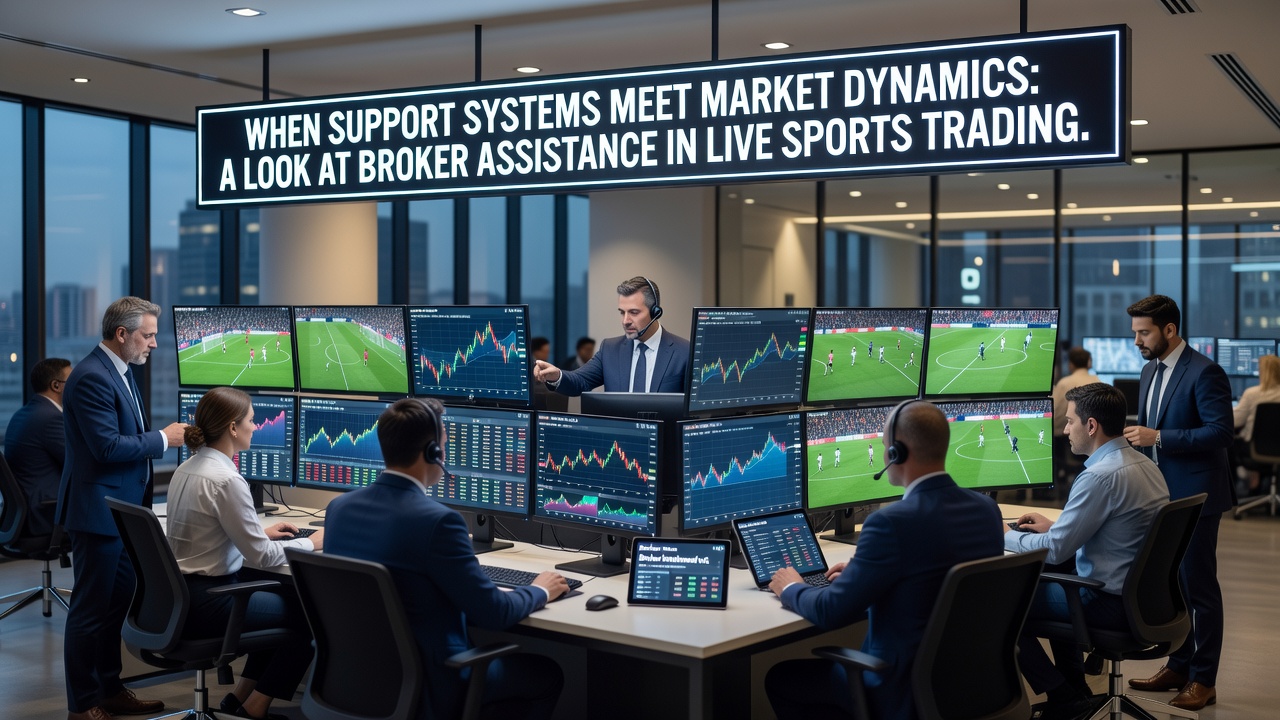
When Support Systems Meet Market Dynamics: A Look at Broker Assistance in Live Sports Trading
Live sports trading on betting exchanges creates environments where odds shift rapidly during matches, and traders rely on broker assistance to navigate these conditions without interruption. Support systems operate at the intersection of technology and human expertise, helping participants manage positions as events unfold in real time. Data from exchange platforms shows that trading volume often spikes during key moments such as goals or injuries, requiring immediate access to account adjustments and order modifications.
Understanding Live Market Pressures
Market dynamics in live sports trading involve constant liquidity changes and price movements that can occur within seconds, whereas traditional pre-match betting allows more time for analysis. Observers note that traders frequently encounter situations where partial fills or unmatched bets demand quick intervention from broker teams. Those who monitor these patterns report that assistance during peak volatility periods helps maintain execution accuracy across multiple selections.
Core Components of Broker Support
Broker assistance encompasses several layers including real-time chat services, dedicated account managers, and technical troubleshooting for platform connectivity issues. Research indicates that response times under two minutes correlate with higher trader retention rates on major exchanges, though exact figures vary by provider. Support teams also handle requests related to margin requirements and exposure limits, which become critical when live odds move against open positions.
Integration between support channels and trading tools allows representatives to view user dashboards directly, enabling precise guidance on order types such as stop losses or market orders. This connectivity proves especially useful during extended sessions where multiple events run simultaneously across different sports.
Adaptations in High-Volume Periods
June 2026 marks a period when several international sporting calendars overlap, increasing the frequency of live trading opportunities and the corresponding demand for broker intervention. Figures from industry reports reveal elevated activity levels during major tournaments, with support departments scaling operations to address queries about settlement delays and rule interpretations. Traders often discover that preemptive contact with assistance teams reduces downtime when platforms experience temporary surges in traffic.

One documented approach involves tiered support structures where basic queries route to automated systems while complex trade disputes escalate to specialists familiar with exchange rules. This model appears in multiple broker operations and aligns with findings from academic studies on customer service efficiency in financial trading environments.
Regional Regulatory Influences
Regulatory frameworks across different jurisdictions shape how brokers deliver assistance during live trading. The National Council on Problem Gambling in the United States has published resources on responsible trading practices that some brokers incorporate into their support protocols. Meanwhile, data compiled by the Australian Gambling Research Centre highlights variations in trader behavior under differing oversight regimes, showing how support availability influences participation patterns in live markets.
These external guidelines encourage brokers to maintain transparent communication channels, particularly when market conditions lead to rapid position changes. Traders in regions with stricter rules often benefit from localized support staff who understand jurisdiction-specific compliance requirements.
Technology Integration and Future Directions
Modern broker platforms combine artificial intelligence for initial query triage with human oversight for nuanced trading scenarios. Studies from research institutions demonstrate that hybrid systems reduce average handling times while preserving accuracy in responses about live order management. As exchange technology advances, support teams increasingly rely on shared data feeds that mirror trader screens, allowing faster diagnosis of issues such as API connection failures or unmatched bet resolutions.
Observers tracking developments into 2026 note continued investment in multilingual support options, reflecting the global nature of sports trading audiences. This expansion addresses the needs of participants operating across time zones where live events occur outside standard business hours.
Conclusion
Broker assistance functions as a critical bridge between the fast-paced nature of live sports markets and the operational needs of individual traders. Evidence from platform analytics and regulatory research underscores the value of responsive support structures in sustaining market participation. Continued evolution in these systems will likely focus on deeper integration with trading interfaces, ensuring assistance remains accessible amid increasing market complexity.