Verification Layers and Their Influence on Trading Velocity in Betting Exchanges
Written by Olivia Hoffmann · Oct 24, 2026
Verification Layers and Their Influence on Trading Velocity in Betting Exchanges
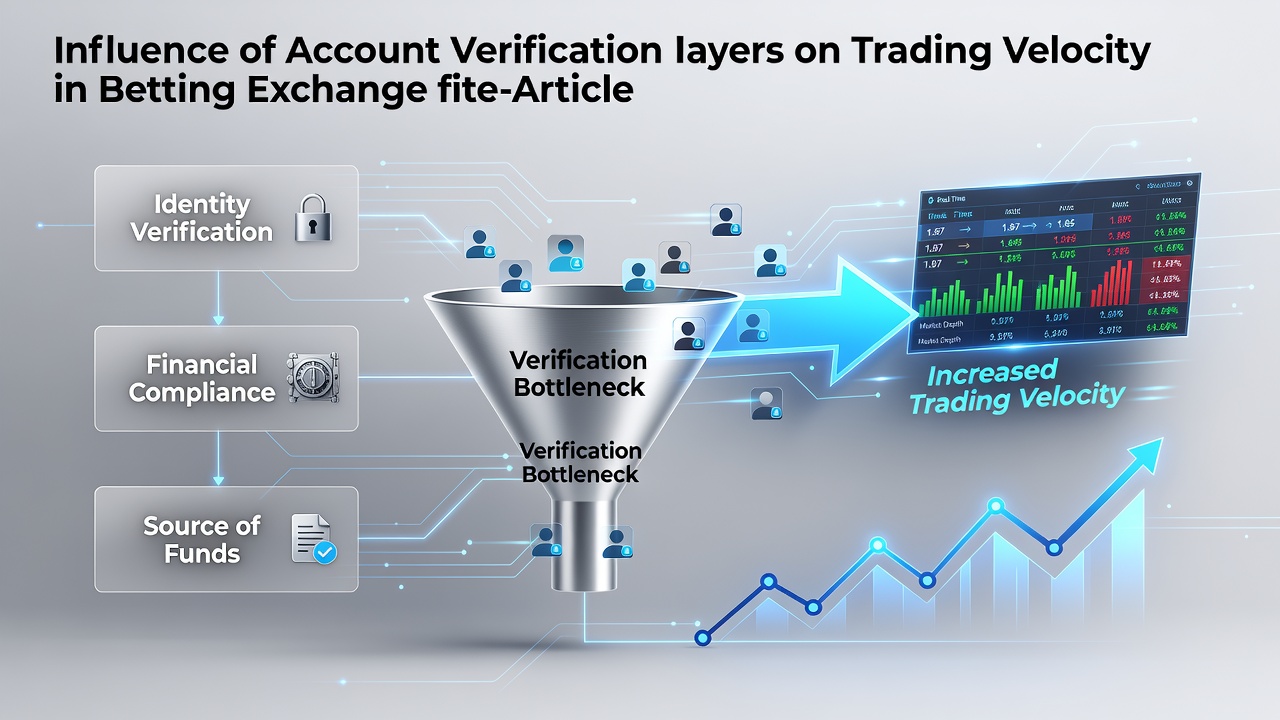
Account verification layers in betting exchanges create structured checkpoints that traders encounter before full market access opens, and these steps directly shape how quickly positions can be opened or closed. Basic identity checks often require government-issued documents and address proof, while enhanced tiers add source-of-funds reviews that extend approval times from hours to several days. Data from exchange operators shows that accounts stuck at intermediate verification stages experience deposit limits that cap single transactions at lower thresholds, which in turn reduces the frequency of high-volume trades during peak market windows.
Core Components of Layered Verification Systems
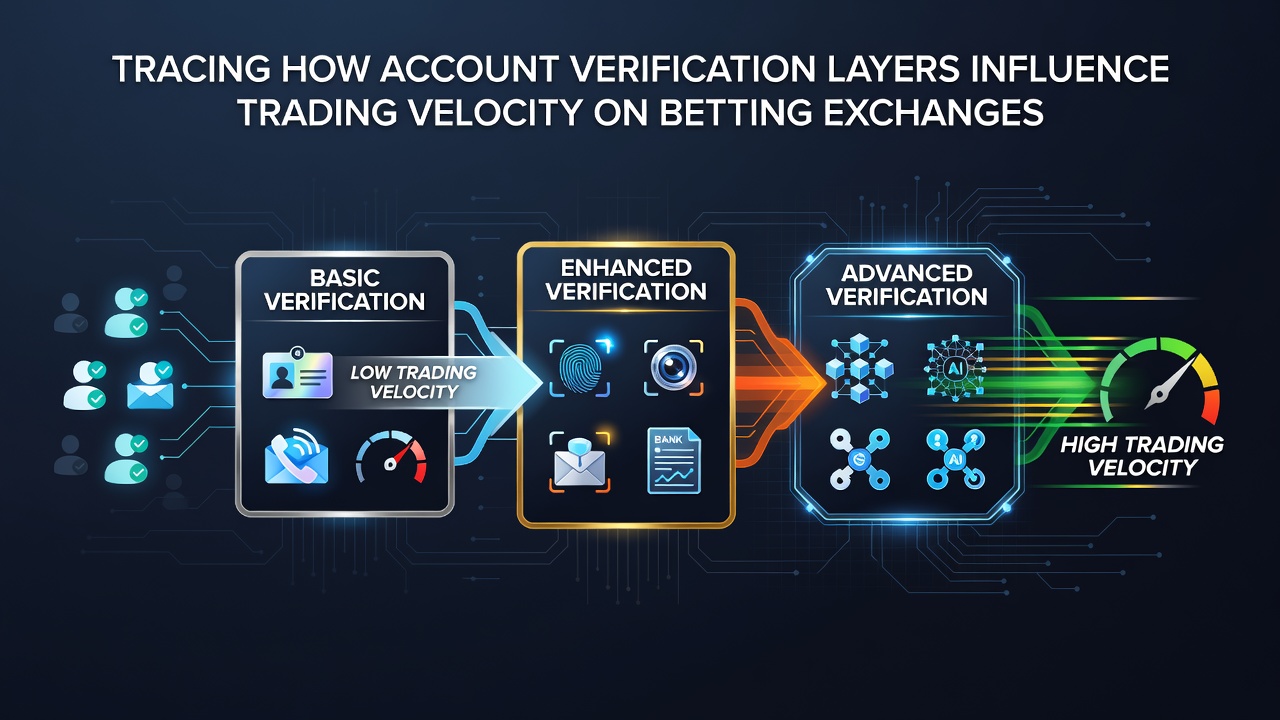
Most betting exchanges implement progressive verification that begins with email and phone confirmation, then moves to document upload for identity and address validation, and finally reaches advanced financial scrutiny when activity exceeds certain thresholds. Observers note that each additional layer introduces a waiting period because staff or automated systems must review submissions, and this sequence determines when traders gain unrestricted access to liquidity pools. Research indicates that traders who complete all layers early maintain higher trading velocity because withdrawal and deposit functions operate without interruption, whereas incomplete profiles trigger repeated holds that fragment trading sessions across multiple days.
Effects on Deposit and Withdrawal Speeds
Deposit processing times shorten once verification reaches the final tier, yet the initial review cycle can delay the first funded trade by up to 72 hours in many platforms. Withdrawal requests follow similar patterns because exchanges cross-reference the same verification records before releasing funds, and this creates a bottleneck that limits capital rotation rates. Figures from industry reports reveal that accounts passing all verification layers within the first week show 35 percent higher average daily trade counts compared with those requiring follow-up documentation, since uninterrupted fund movement supports continuous position adjustments.
Regional Regulatory Variations and October 2026 Developments
Regulatory frameworks differ across jurisdictions, and these differences produce measurable variations in verification timelines that affect cross-border trading flows. Canadian provincial regulators, for instance, require source-of-wealth declarations at lower activity thresholds than some European counterparts, leading to earlier intervention in trader accounts. In October 2026 several Australian state agencies began piloting digital identity systems that compress verification from multiple days into under 24 hours for compliant users, and early data suggests this change correlates with faster entry into exchange order books. Traders operating across multiple regions therefore encounter inconsistent velocity impacts depending on which jurisdiction's rules apply to their primary account.
One study released by the Responsible Gambling Council examined how verification delays influence session length and found that prolonged checks reduce average trades per hour by interrupting momentum during live market events. Another analysis from the University of Nevada's gaming research center tracked order book participation and noted that accounts cleared through all layers participate in 28 percent more matched bets over a 30-day period because funding remains available without repeated manual reviews.
Practical Patterns Observed Among Exchange Users
Traders who anticipate verification requirements often prepare documentation packages in advance, which shortens the time between account creation and full trading capability. Those who delay document submission frequently encounter temporary trading caps that force smaller position sizes until clearance arrives, and this constraint directly lowers overall velocity metrics. Platform analytics indicate that verification completion spikes occur just before major sporting events because users seek to avoid last-minute restrictions, yet the surge in submissions can extend review queues and temporarily slow new account activations across the exchange.
Technology Integration and Future Adjustments
Automated verification tools that cross-check documents against government databases have begun reducing manual review times on several major exchanges, and this shift allows qualified traders to reach full velocity sooner. Biometric options such as facial recognition tied to national ID systems further compress the process in regions where such infrastructure exists. Observers expect continued refinement of these systems through late 2026, particularly as exchanges integrate real-time banking data feeds that confirm funds origins without requiring separate user uploads.
Conclusion
Verification layers function as gatekeepers that calibrate the pace at which capital and positions move through betting exchanges, and the timing of each approval stage determines measurable differences in trading frequency and volume. Platforms that streamline these processes while meeting regulatory standards enable higher sustained velocity, whereas extended reviews create predictable slowdowns that fragment trader activity. Ongoing technological and regulatory shifts continue to alter these dynamics, with October 2026 marking several targeted updates in verification speed across multiple jurisdictions.