Payment Synchronization Approaches for Optimized Trading on Betting Exchanges
Written by Alex Lehmann · Nov 7, 2026
Payment Synchronization Approaches for Optimized Trading on Betting Exchanges
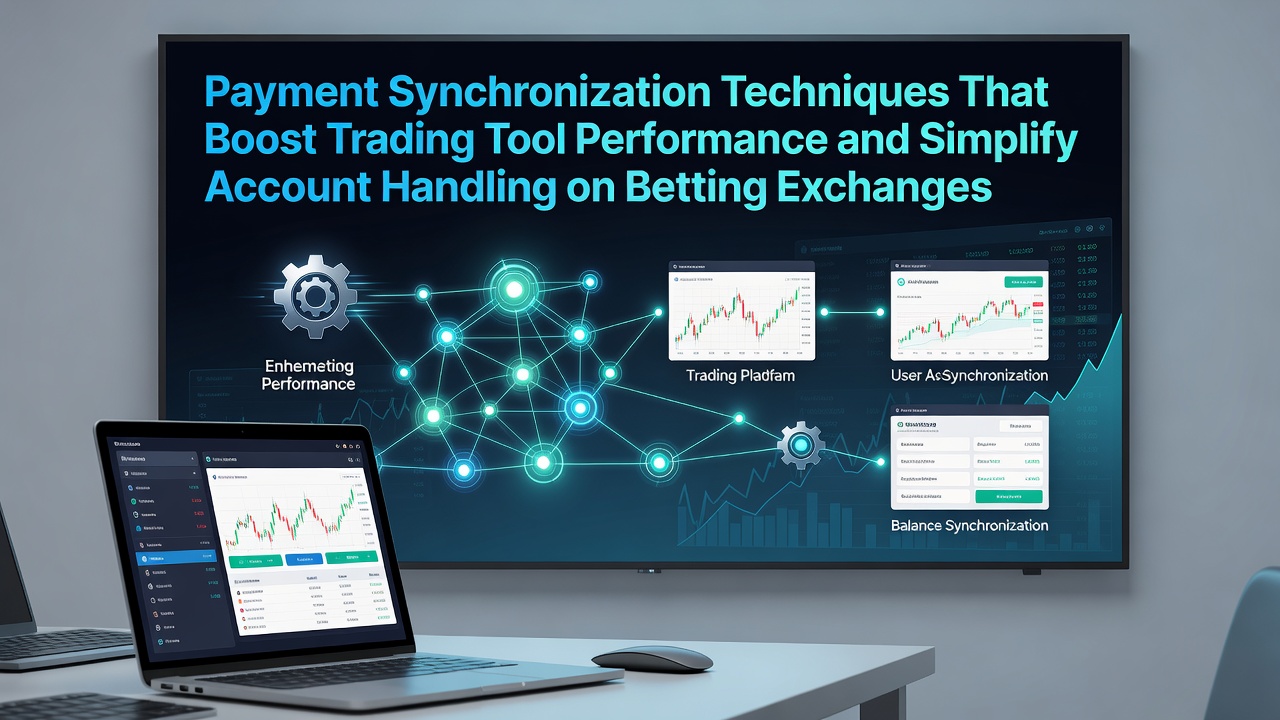
Payment synchronization techniques connect trading tools directly with account balances across betting exchanges, allowing real-time updates that reduce latency during market execution and support seamless multi-account oversight for traders handling several positions simultaneously. Data from industry analyses indicates these methods rely on API integrations that pull transaction records into unified dashboards, while automated reconciliation processes match incoming payments with executed trades without manual intervention.
Core Mechanisms Behind Effective Synchronization
API endpoints form the foundation for most synchronization setups, where trading platforms query exchange servers at fixed intervals or through webhook triggers that push balance changes instantly, and this setup cuts down on discrepancies that arise when funds move between wallets and active markets. Encryption protocols wrap these data transfers to maintain security standards, whereas batch processing handles high-volume periods by grouping transactions before updating central records, according to reports from the Malta Gaming Authority on payment infrastructure in regulated environments.
Those who manage exchange accounts often observe that middleware solutions bridge legacy payment gateways with modern trading interfaces, creating a continuous data loop that refreshes position sizes and available margins as each settlement completes. Observers note this reduces errors in order placement because tools receive accurate liquidity figures without delays that previously occurred during peak trading windows.
Performance Gains from Integrated Systems
Studies on exchange operations show that synchronized payment flows improve order execution speeds by aligning account states with market feeds, so traders experience fewer rejected bets caused by outdated balance information. Real-time syncing also simplifies handling across multiple exchanges because a single interface can monitor deposits, withdrawals, and commissions in one view, cutting the time spent switching between separate portals.
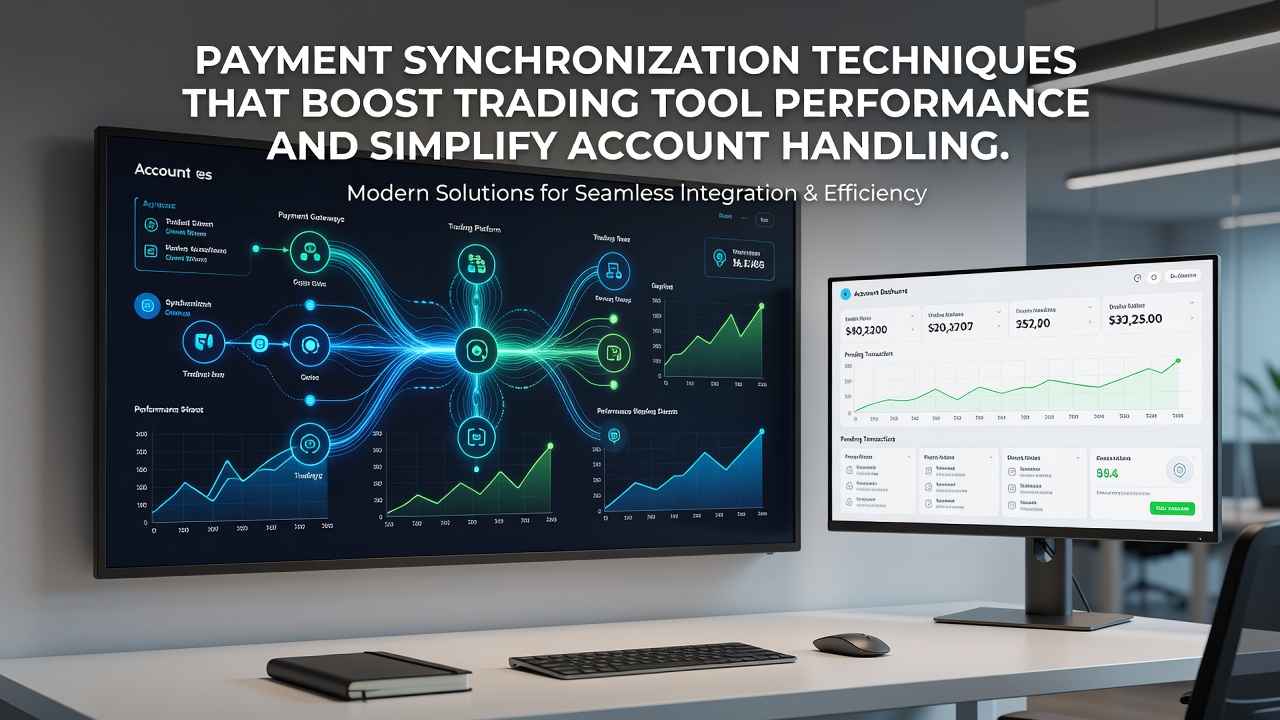
Case examples from platform developers reveal that automated matching algorithms flag unmatched transactions within seconds, allowing quick resolution before they affect trading decisions, and this approach proves especially useful during events with rapid market movements where timing determines outcomes. Researchers discovered that exchanges adopting these techniques report lower support ticket volumes related to account discrepancies, since the systems catch issues at the source rather than after the fact.
Simplifying Account Management Practices
Centralized ledgers powered by synchronization tools aggregate activity from various payment providers into consistent records, which helps traders track commission deductions and bonus allocations without cross-referencing multiple statements. Features such as scheduled reconciliation runs and customizable alerts notify users when balances fall below thresholds, enabling proactive funding that keeps tools operational without interruption.
November 2026 has seen several exchanges roll out enhanced webhook support that further streamlines these processes, as updates from technology providers indicate broader adoption of standardized data formats across platforms. This development allows trading software to incorporate payment events directly into risk management calculations, reducing the manual oversight previously required for multi-currency accounts.
Security and Compliance Considerations
Regulatory frameworks in various jurisdictions require audit trails for all synchronized transactions, and payment systems achieve this through timestamped logs that integrate with exchange reporting tools. Industry organizations like the European Gaming and Betting Association have documented how encryption and access controls prevent unauthorized alterations during data handoffs between payment processors and trading applications.
Those who oversee compliance note that synchronization layers can incorporate geofencing checks to align with regional restrictions, ensuring funds move only through approved channels while maintaining the speed needed for active trading. Evidence from platform audits suggests these combined safeguards maintain operational integrity without adding noticeable overhead to transaction processing.
Conclusion
Payment synchronization techniques continue to evolve through tighter integration between financial rails and trading environments, delivering measurable improvements in execution reliability and account visibility on betting exchanges. As platforms refine these connections, the focus remains on maintaining accuracy across growing volumes of transactions while supporting the complex needs of active market participants.