Following the Money Trail: Funding Channels and Their Effects on Betting Exchange Dynamics
Written by Alex Long · Aug 18, 2026
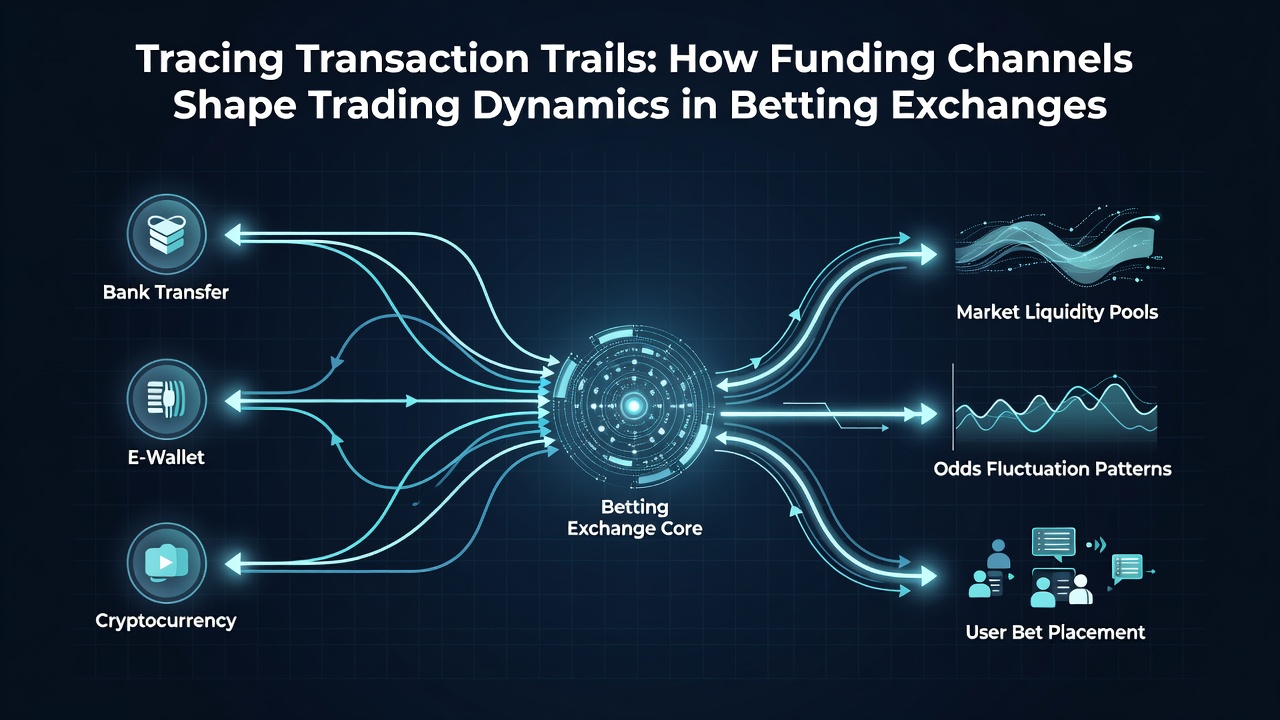
Following the Money Trail: Funding Channels and Their Effects on Betting Exchange Dynamics
Payment routes into betting exchanges create distinct patterns in how traders enter and exit positions, because deposit speed, fee structures, and settlement times directly shape liquidity and order flow. Observers note that platforms relying on traditional bank transfers often see slower initial activity compared with those supporting instant e-wallet options, while data from multiple markets reveal measurable differences in average trade size and holding periods tied to each method.
Channel Types and Settlement Realities
Bank wires, card payments, and cryptocurrency deposits each carry different processing windows that traders must factor into position timing. A wire arriving in 24 to 48 hours can delay entry into fast-moving markets, whereas digital wallets often clear within minutes, allowing participants to respond immediately to price movements. Figures released by European industry groups show that exchanges offering multiple instant options record higher daily volume per active account than those limited to slower rails.
Cryptocurrency funding adds another layer because blockchain confirmations introduce their own variability, yet once cleared these deposits typically avoid the reversal risks attached to card transactions. Researchers tracking exchange data through mid-2026 found that accounts funded via stablecoins maintained steadier position sizes across volatile events, since the absence of chargeback exposure reduces hesitation around larger stakes.
Fee Structures and Position Sizing
Transaction costs embedded in each channel influence how traders allocate capital once funds reach the exchange. Percentage-based withdrawal fees can erode margins on frequent small movements, prompting some participants to consolidate activity into fewer but larger trades. In contrast, fixed-fee or no-fee corridors encourage more granular order placement, because the cost of entering and exiting does not scale linearly with size.
August 2026 saw several exchanges adjust their supported rails in response to updated cross-border payment rules, and subsequent volume reports indicated a shift toward methods with transparent fee schedules. Those who study order-book depth recorded tighter spreads on markets where participants used low-friction channels, since capital could rotate more freely without accumulating hidden costs.
Liquidity Patterns Across Funding Methods
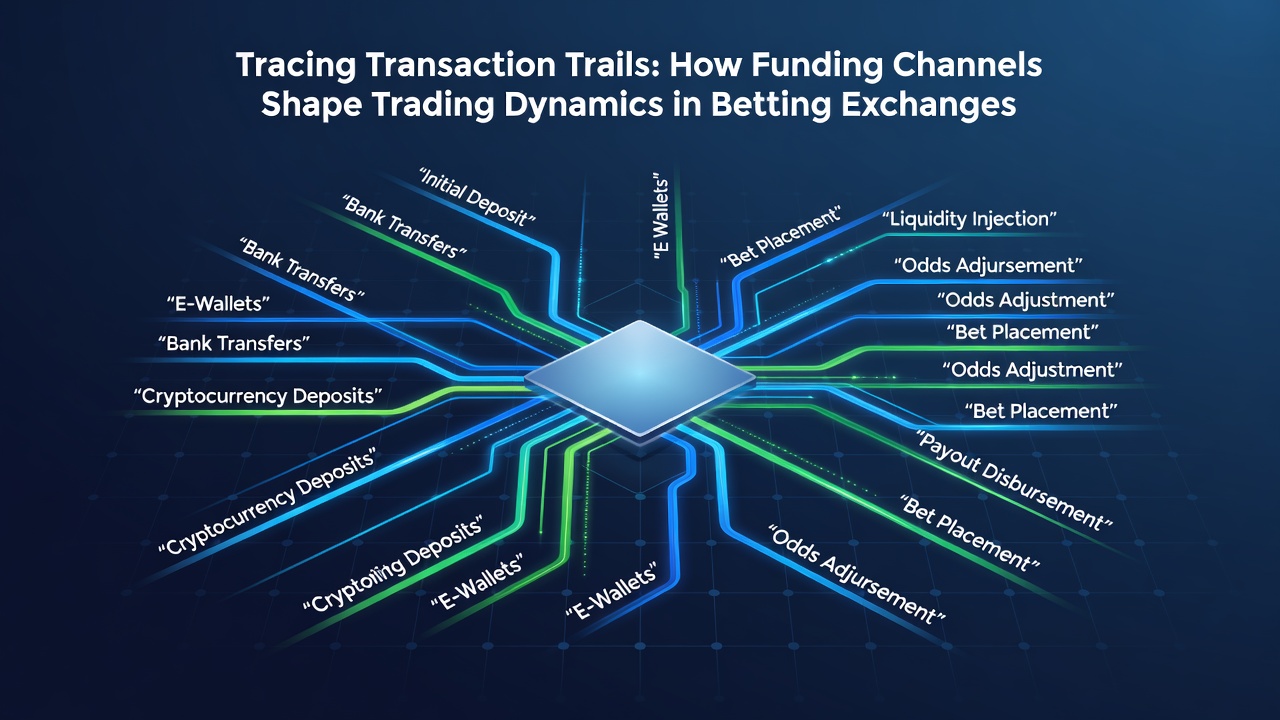
Liquidity does not distribute evenly when funding sources differ in speed and reversibility. Accounts tied to irreversible methods such as cryptocurrency tend to show longer average position durations, because traders face higher friction when reversing course. Meanwhile, reversible channels correlate with shorter holding times, as participants retain the option to pull funds quickly if market conditions shift.
Industry reports compiled by the European Gaming and Betting Association highlight that exchanges integrating a broader mix of rails experienced more balanced order-book profiles during peak hours. The data indicate that the presence of both instant and scheduled options allows different trader segments to coexist without one group dominating available liquidity at any given moment.
Regulatory Influences on Channel Availability
Changes in payment-service licensing across jurisdictions continue to reshape which funding methods exchanges can promote. Australian regulatory updates effective in 2026 required additional verification layers for certain high-velocity rails, and operators responded by expanding slower but fully compliant alternatives. Those monitoring market depth noted temporary dips in activity on affected platforms until new channels gained adoption.
Similar adjustments appeared in North American markets where state-level rules on financial transfers created patchwork availability. Exchanges that maintained multiple redundant options across regions preserved steadier trading volumes, because participants could route funds through whichever pathway remained open without interrupting strategy execution.
Conclusion
Transaction trails left by different funding channels leave measurable imprints on exchange dynamics, from order frequency to average position size and liquidity distribution. As payment regulations evolve and new rails gain traction, the relationship between deposit method and trading behavior continues to shift. Data collected through 2026 underscore that exchanges offering diverse, clearly priced channels support more consistent participation across trader types, while single-channel environments concentrate activity within narrower windows and sizes.