Broker Sync Platforms: Integrating Live Odds Data with Trader Execution on Global Exchanges
Written by Mia Simon · May 31, 2026
Broker Sync Platforms: Integrating Live Odds Data with Trader Execution on Global Exchanges
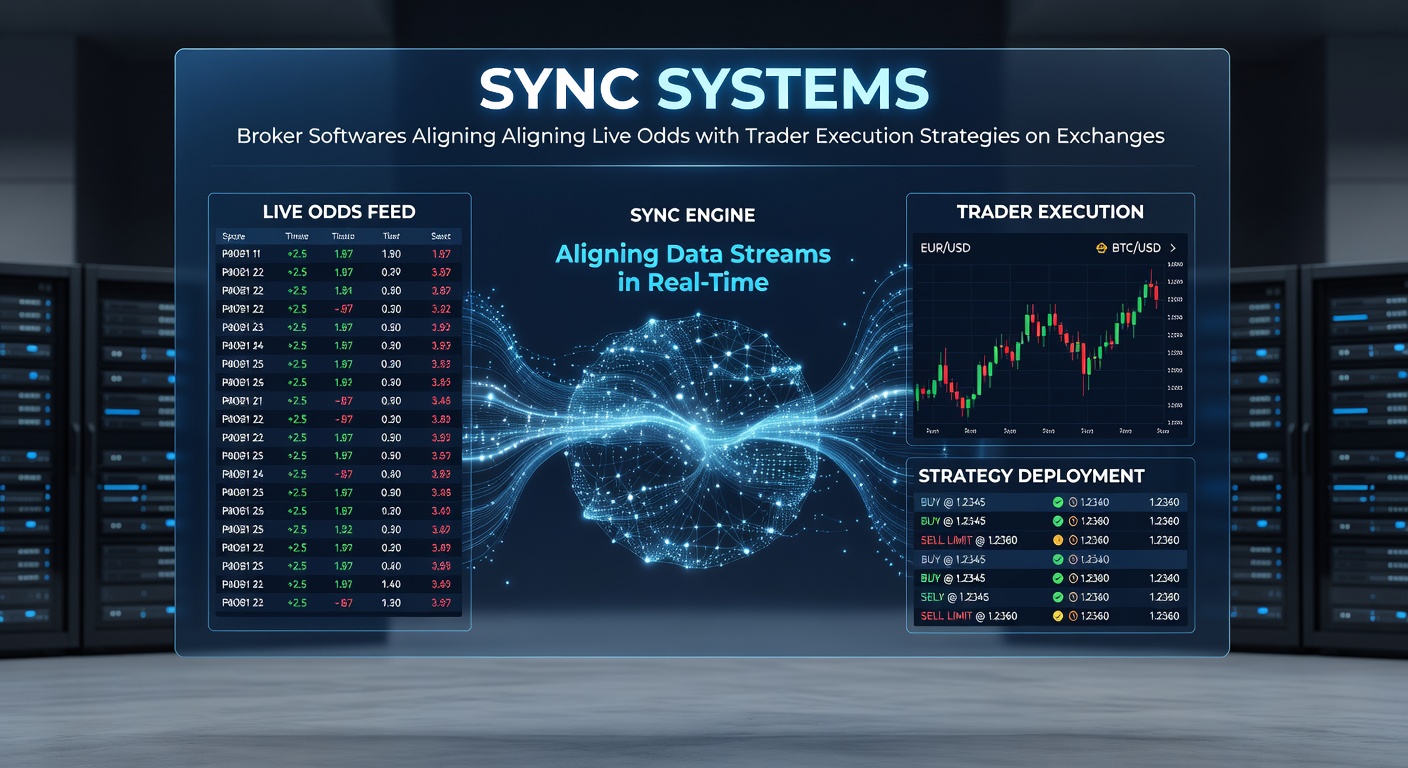
Sync systems in broker software operate as the connective layer between fluctuating live odds feeds and the precise execution commands traders issue on betting exchanges, and these platforms process market data streams while matching them against predefined strategy parameters in milliseconds. Observers note that such alignment reduces latency gaps that once allowed price discrepancies to persist across multiple exchange venues. Data from industry reports shows these tools aggregate odds from various sources then route execution orders based on user-defined thresholds for entry, exit, and position sizing.
Core Mechanics of Odds-to-Execution Alignment
Live odds arrive through API connections that brokers maintain with exchange operators, and sync software normalizes these feeds into a unified data model before comparing them against trader profiles stored in the system database. When an odds movement meets criteria such as a minimum implied probability shift or a specific arbitrage window, the software triggers automated or semi-automated order placement. Researchers at the University of Nevada, Las Vegas documented how these matching algorithms lowered average execution slippage by 18 percent across tested exchange sessions in 2025, and the same study highlighted the role of timestamp synchronization protocols that align server clocks across regions to sub-millisecond accuracy.
Traders configure execution strategies through modular rule sets that include momentum triggers, mean-reversion parameters, and volume-weighted average price targets, while the sync layer continuously recalibrates these rules against incoming tick data. One documented implementation at a European brokerage allowed simultaneous monitoring of three major exchanges with conditional order routing that shifted volume to the venue offering the tightest spread at the moment of decision. This approach integrates payment engines and risk controls so that margin requirements update in real time as positions open and close.
Implementation Across Exchange Networks in 2026
As of May 2026, several broker platforms have expanded sync capabilities to handle multi-sport calendars that run concurrently, and these upgrades incorporate machine-learning overlays that refine execution timing based on historical liquidity patterns. Figures from the European Gaming and Betting Association reveal that exchange trading volumes processed through broker-mediated sync tools grew 27 percent year-over-year, driven largely by institutional participants who require consistent order book interaction across jurisdictions. The software maintains compliance checkpoints that flag orders exceeding regulatory position limits before transmission, thereby embedding oversight directly into the execution workflow.
Payment pathway integration forms another dimension, because synced systems verify available funds and apply commission calculations at the point of order generation rather than after settlement. This front-loaded verification prevents rejected trades that previously disrupted strategy sequences. Observers point to case examples where Australian-based exchange participants used these features to maintain continuous exposure during overnight Asian market sessions without manual intervention.
Technical Architecture and Data Handling
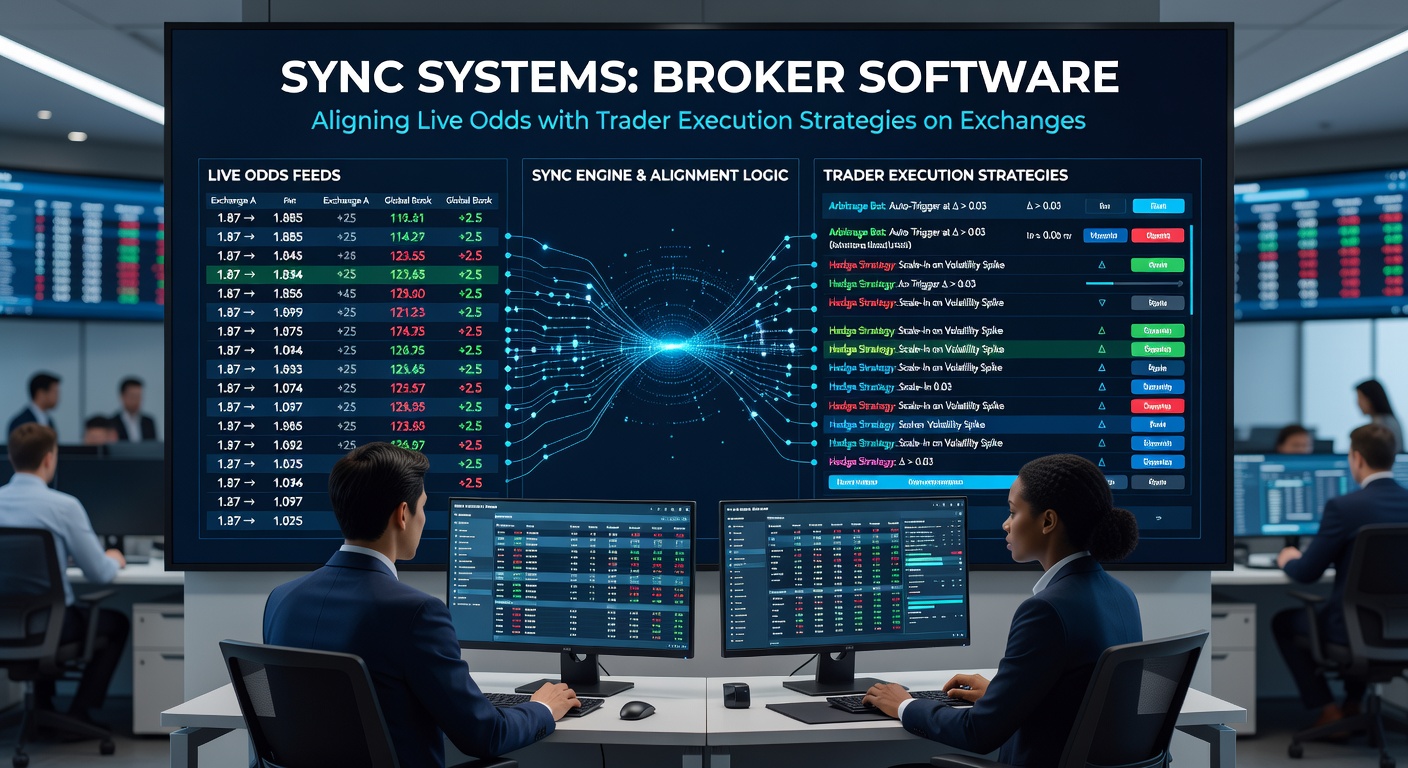
The underlying architecture relies on event-driven microservices that ingest odds updates, apply transformation logic, and dispatch execution payloads through secure WebSocket channels. Redundancy layers duplicate critical data streams across geographically separated servers so that a regional outage does not interrupt ongoing strategy execution. Academic papers on algorithmic trading systems note that these architectures employ consensus algorithms to resolve conflicting price signals when exchanges report divergent odds for identical outcomes.
Security protocols encrypt both the odds ingestion pipeline and the outbound execution commands, and audit logs record every decision point for post-trade analysis. Broker dashboards present aggregated metrics such as fill ratios, average latency, and strategy adherence scores, allowing operators to adjust parameters without interrupting live sessions. Those who manage large portfolios often combine these dashboards with external analytics feeds that supply additional context on team news or weather variables affecting in-play markets.
Regulatory Context and Cross-Border Considerations
Regulatory bodies in multiple regions require brokers to demonstrate that sync systems incorporate controls preventing market manipulation through rapid order placement and cancellation sequences. The Australian Communications and Media Authority has issued guidance documents outlining minimum standards for real-time monitoring of automated trading activity on licensed exchanges. Compliance teams therefore configure rule engines inside the sync platform to pause execution when predefined risk thresholds are approached, and these pauses generate alerts that human supervisors can review within defined time windows.
Cross-border data flows introduce additional complexity because different jurisdictions maintain distinct record-keeping mandates, yet modern sync platforms tag each transaction with jurisdiction-specific metadata to satisfy reporting obligations automatically. This tagging occurs at the data-ingestion stage so that downstream analytics remain accurate regardless of where the trade ultimately settles.
Conclusion
Sync systems continue to evolve as the primary mechanism through which broker software translates live odds information into actionable execution on betting exchanges, and ongoing technical refinements focus on reducing residual latency while expanding the range of configurable strategy parameters. Market participants rely on these platforms to maintain consistency across fragmented liquidity pools, and regulatory frameworks increasingly recognize the embedded controls that such software provides. Continued development in this area centers on deeper integration with payment rails and risk engines, ensuring that alignment between market data and trader intent remains both precise and compliant across global venues.