App Capabilities Reshaping Commission Oversight in Global Exchange Networks
Written by Olivia Hoffmann · May 29, 2026
App Capabilities Reshaping Commission Oversight in Global Exchange Networks
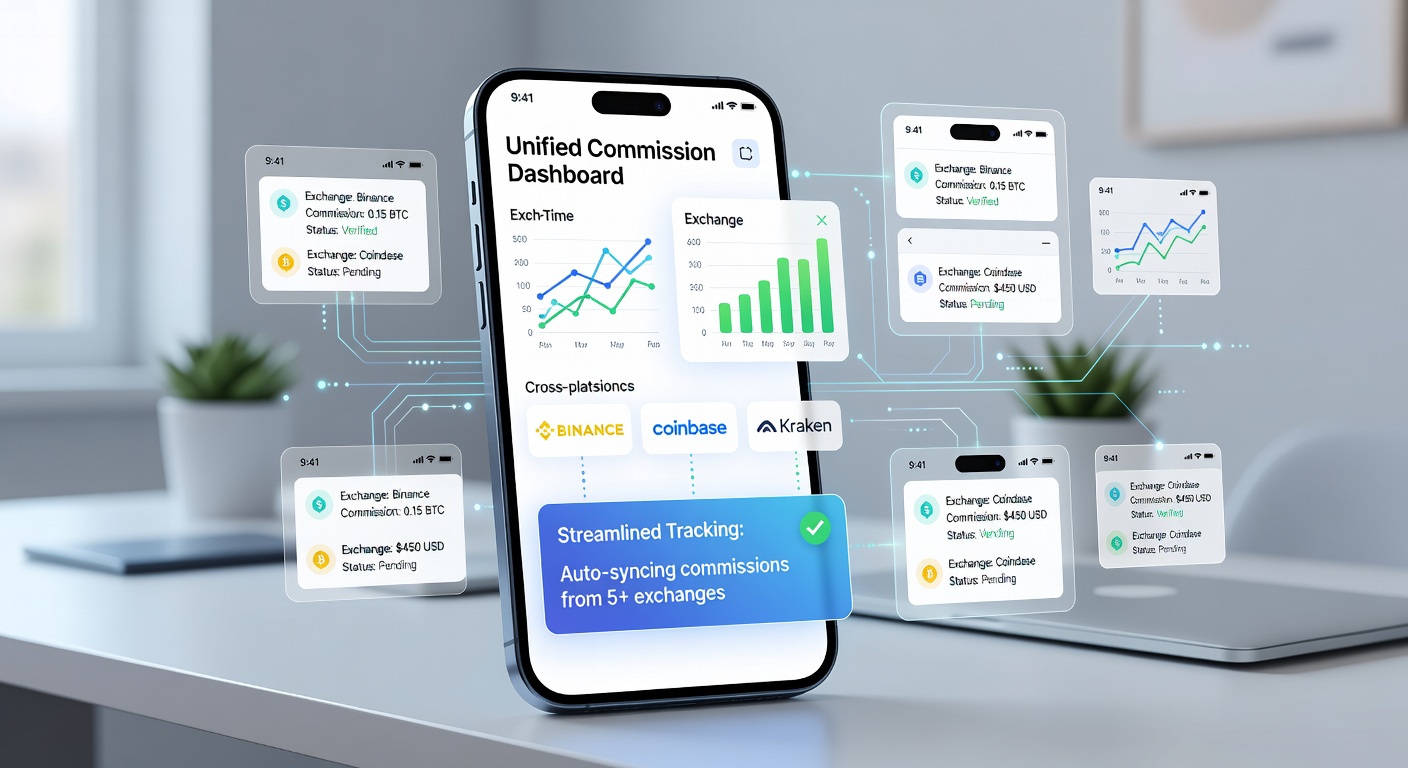
Mobile applications now integrate automated calculation engines that pull live data from various exchange platforms, allowing traders to monitor fees without switching between accounts or relying on manual spreadsheets. These tools consolidate transaction histories into unified views, where algorithms adjust for volume-based discounts and tiered structures that differ across sites. Observers note this consolidation reduces errors that once arose when users attempted to reconcile separate platform reports by hand. Features such as customizable alert systems notify users the moment cumulative commissions approach predefined thresholds, while predictive models estimate future charges based on ongoing trading patterns. Integration with external accounting software occurs through secure APIs, enabling seamless export of detailed breakdowns that include per-trade fees, rebates, and net costs. Data from industry analyses shows adoption of these functions has grown steadily since early platform updates rolled out in 2025.Core Functional Elements Driving Efficiency
Real-time synchronization stands at the center of these applications, where users connect multiple exchange accounts through encrypted logins that refresh balances and fee structures every few seconds. Visual dashboards present color-coded breakdowns separating fixed commissions from variable elements, and interactive sliders let traders simulate how changes in position size might alter total costs across different venues.
Export options extend beyond basic CSV files to include formatted reports compatible with tax software used in various jurisdictions. Multi-currency support handles conversions automatically using live rates, while audit trails log every adjustment or filter applied during a session. Those who manage high-volume accounts across several platforms often find these capabilities cut reconciliation time substantially.
Cross-Platform Compatibility and Security Layers
Developers have focused on building bridges between disparate exchange APIs, so one application can pull commission data from betting-style exchanges, crypto trading venues, and traditional financial platforms without requiring separate logins for each. Security protocols include biometric authentication alongside session timeouts that prevent unauthorized access during extended monitoring periods.
Encryption standards meet requirements set by regulatory bodies in regions such as the United States and Australia, where data handling rules emphasize protection of financial records. Researchers at institutions studying digital trading interfaces have documented how these layered protections maintain functionality while satisfying compliance demands that tightened further in May 2026.
Analytics and Reporting Innovations
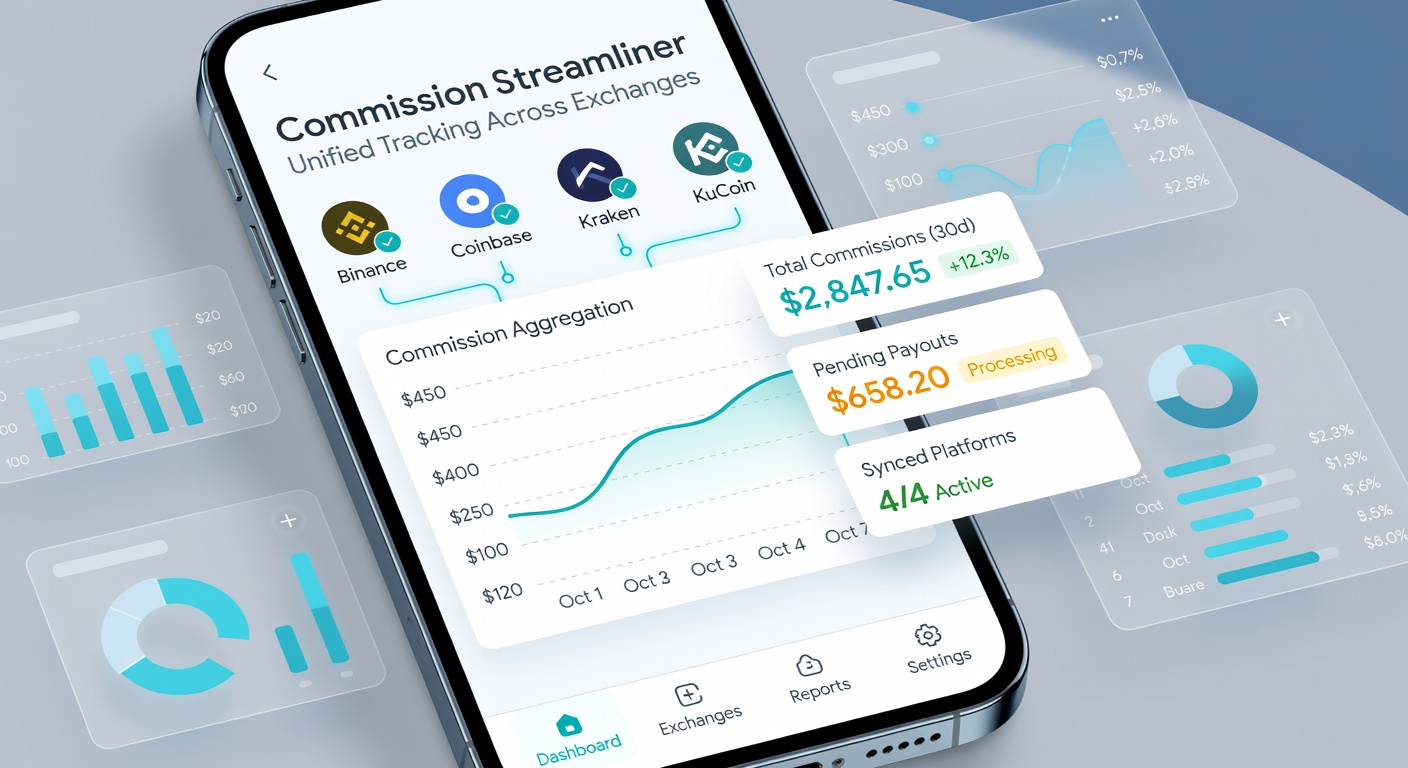
Advanced filtering lets users isolate commissions by asset class, time period, or specific exchange, generating comparative charts that highlight cost differences between venues. Historical trend lines appear alongside current figures, helping identify patterns such as seasonal spikes or the impact of promotional fee reductions.
Some applications incorporate benchmarking tools that compare an individual trader's effective rates against aggregated industry data released by organizations like the European Gaming and Betting Association. This context proves useful when evaluating whether a particular platform's structure aligns with broader market norms.
Future Developments on the Horizon
Integration with voice-command interfaces and augmented-reality overlays represents the next wave of features under testing, where traders could query commission totals verbally or view projected costs overlaid on live market feeds. Partnerships between app developers and exchange operators continue to expand data-sharing agreements, which in turn improve accuracy of the tracking modules.
Regulatory shifts anticipated after May 2026 may require even more granular disclosure of fee components, pushing application designers to add compliance-focused modules that flag potential reporting gaps automatically. Industry reports from groups such as the American Gaming Association indicate these enhancements will likely become standard across leading platforms within the following year.
Conclusion
Mobile applications continue to evolve as central hubs for commission management by combining data aggregation, visual analytics, and automated reporting into single accessible interfaces. Traders gain clearer visibility into costs spread across multiple exchange environments, supported by security measures and compatibility features that address both operational and regulatory needs. These developments reflect ongoing refinement rather than sudden transformation, with incremental updates building on established foundations.